Budgeting is a critical financial planning tool that enables organizations to allocate resources efficiently, set financial goals, and monitor performance. This case study examines the budgeting process of XYZ Corporation, a mid-sized manufacturing company, highlighting its challenges, homecardetailing.com strategies, and outcomes.
XYZ Corporation faced several financial challenges in the early 2020s, including fluctuating raw material costs, increased competition, and a need for technological upgrades. The management recognized that without a robust budgeting process, the company would struggle to maintain profitability and market share. In response, they decided to implement a zero-based budgeting (ZBB) approach, which required every department to justify its budget requests from scratch, rather than basing them on previous years’ expenditures.
The budgeting process began with a series of workshops led by the finance team, aimed at educating department heads about ZBB principles and the importance of aligning budgets with strategic objectives. Each department was tasked with identifying its core functions, assessing the costs associated with these functions, and proposing budget allocations that would maximize efficiency and effectiveness. This approach encouraged departments to think critically about their spending and prioritize essential activities.
One of the significant challenges faced during the implementation of ZBB was resistance from department heads who were accustomed to traditional budgeting methods. Many were concerned that ZBB would lead to cuts in funding for necessary projects. To address these concerns, the management emphasized the importance of collaboration and transparency throughout the budgeting process. They encouraged open discussions about each department’s needs and how they aligned with the company’s overall goals. This collaborative environment helped to mitigate resistance and foster a sense of ownership among department heads.
As the budgeting process progressed, the finance team provided ongoing support and guidance, helping departments refine their proposals and ensuring that all budget requests were backed by data and aligned with strategic objectives. This rigorous approach not only improved the quality of budget submissions but also enhanced accountability across the organization.
Once the budgets were finalized, XYZ Corporation implemented a robust monitoring system to track performance against the budget. Regular financial reviews were scheduled to assess variances and identify areas for improvement. This proactive approach allowed the management team to make informed decisions, reallocating resources as necessary to address emerging challenges and seize opportunities.
The results of the new budgeting process were significant. Within the first year of implementing ZBB, XYZ Corporation reported a 15% reduction in operational costs while maintaining productivity levels. The increased focus on strategic alignment led to enhanced project prioritization, ensuring that resources were directed toward initiatives that contributed to long-term growth. Additionally, the collaborative nature of the budgeting process fostered a culture of financial discipline and accountability across the organization.
In conclusion, the case of XYZ Corporation illustrates the transformative power of effective budgeting. By adopting a zero-based budgeting approach, the company not only overcame financial challenges but also strengthened its strategic focus and operational efficiency. This case study serves as a valuable example for other organizations seeking to enhance their budgeting processes and achieve sustainable growth.


 Meet the Basic Requirements:
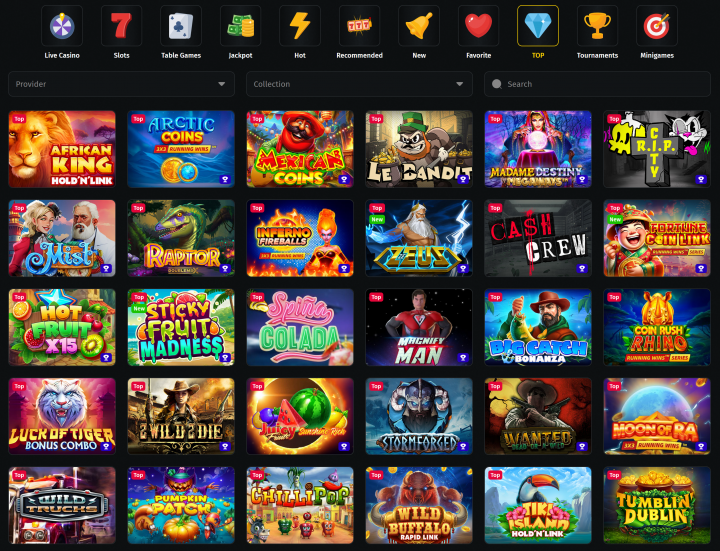 While there is no definitive strategy regarding the timing of your play, some players believe that playing during off-peak hours can lead to better payouts. Additionally, practice patience; don’t rush your spins. Take your time to enjoy the game and avoid making impulsive decisions. This is anecdotal, but it may be worth experimenting with different times to see if you notice any patterns.
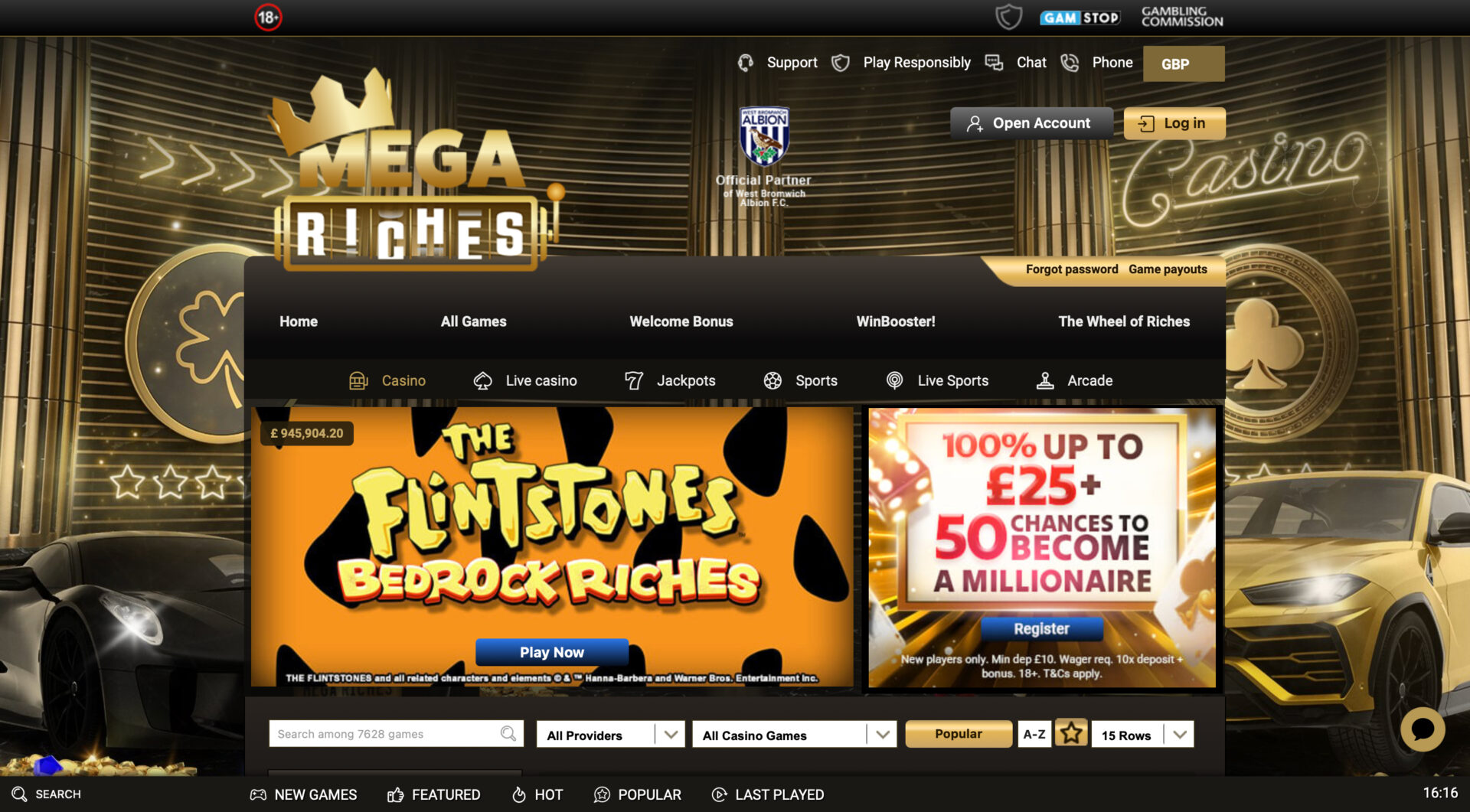 Punto Banco is the most common version found in casinos, particularly in North America and Asia. The game is typically played with multiple decks of standard playing cards, and its simplicity is one of the reasons for its enduring appeal. Baccarat is often played in two main variations: Punto Banco and Chemin de Fer. In this version, players do not make decisions on how to play their hands; instead, they simply place their bets on either the “Player,” “Banker,” or a “Tie.”
 Each player is allowed one free spin per day, which resets every 24 hours. To spin the Lucky Wheel, players must first visit the Diamond Casino. Accessing the casino is free, but players can enhance their experience by purchasing a membership, which provides additional perks. Once inside, players can find the Lucky Wheel in the main gaming area.